Restaurant Private Dining and Event Hosting: How to Maximize Revenue from Your Space
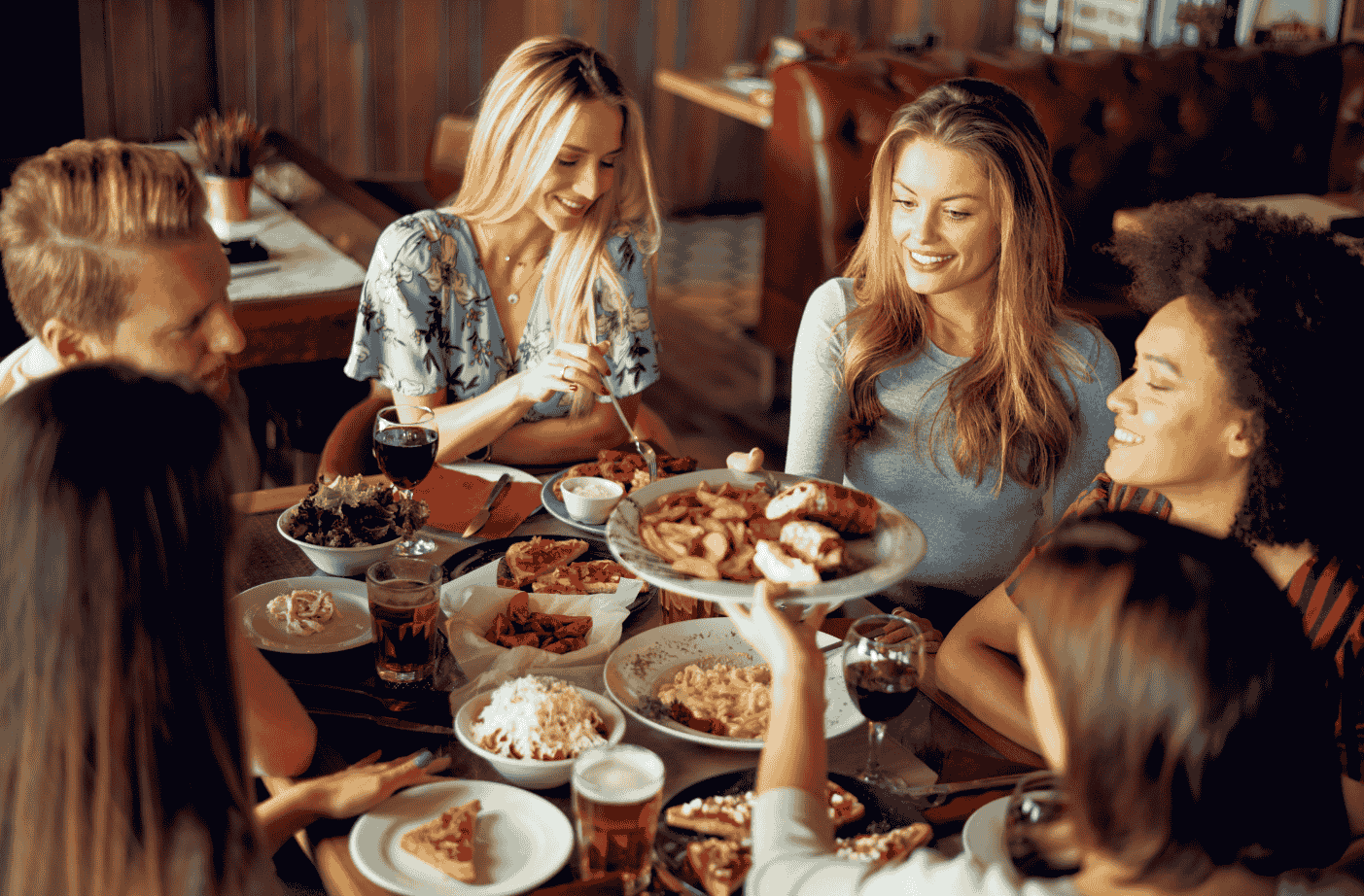
Most independent restaurant owners are sitting on an untapped goldmine—and they don't even realize it. That back room you use for storage three nights a week, the patio that sits empty on Tuesday evenings, the semi-private corner of your dining room that rarely fills up before 7 p.m.—these spaces can be transformed into a consistent, high-margin revenue stream through private dining and event hosting.
While standard restaurant net profit margins hover between 3% and 9%, private dining events routinely generate profit margins of 20% to 60%. Private events can also increase average check sizes by up to 30% and contribute 10–20% of a restaurant's total annual revenue, according to data from GroupMenus. For an independent restaurant doing $1 million in annual sales, that's an additional $100,000–$200,000 in revenue—from space you already own.
This guide walks you through everything you need to know to build a profitable private dining and event hosting program: how to assess your space, structure your pricing, market your offerings, and execute events that keep clients coming back.
Table of Contents
- Why Private Dining Is a Game-Changer for Independent Restaurants
- Assessing Your Space and Capacity
- Designing Your Event Packages and Pricing Models
- Setting Up Your Private Dining Space
- Marketing Your Private Dining Program
- Streamlining the Booking and Inquiry Process
- Staffing and Executing Events Flawlessly
- Targeting Corporate Clients for Repeat Business
- Measuring Performance and Improving Over Time
- How TableSync Helps You Manage Events and Reservations
- FAQ: Restaurant Private Dining and Event Hosting
Why Private Dining Is a Game-Changer for Independent Restaurants
The economics of private dining are fundamentally different from standard table service—and they're almost always better.
When a group books your private dining room for a birthday dinner, corporate lunch, or rehearsal dinner, you gain several operational advantages that standard service simply can't match:
- Predictability: You know exactly how many covers you're serving, what they're eating, and when they'll arrive. This allows precise labor scheduling and inventory purchasing, dramatically reducing waste.
- Menu control: Fixed or limited menus let you select high-margin items and control food costs more tightly than à la carte service.
- Guaranteed revenue: Minimum spend requirements or deposits mean you're protected even if the group runs small.
- Efficient service flow: Serving one group in a dedicated space is operationally simpler than managing a full dining room of individual tables.
- Slow-period fill: Private events are ideal for filling traditionally slow periods—weekday lunches, Sunday afternoons, early weeknights—without cannibalizing your peak-hour revenue.
According to Toast's restaurant industry data, the average full-service restaurant nets just 3–5% profit. Private dining's 20–60% margin potential isn't just a nice bonus—it can be the difference between a restaurant that survives and one that thrives.
Assessing Your Space and Capacity
Before you can sell private dining, you need to honestly evaluate what you have to offer.
Identify Your Private-Able Spaces
Walk your restaurant with fresh eyes and ask: what areas could be separated—physically or perceptually—from the main dining room?
- Dedicated private rooms: If you have a back room, wine cellar, or banquet space, this is your most valuable asset. Even a room that seats 12–20 guests can generate significant revenue.
- Semi-private sections: A corner of the dining room, a raised platform, or a section separated by a partition or curtain can work for groups that want privacy without full exclusivity.
- Outdoor spaces: Patios, rooftop areas, and garden spaces are highly desirable for private events, especially in warmer months.
- Buyout potential: For smaller restaurants, consider offering full restaurant buyouts for large groups—this is often the most lucrative option.
Know Your Numbers
For each space, document:
- Minimum and maximum capacity (seated dinner vs. cocktail reception)
- AV capabilities (projector, screen, microphone, sound system)
- Natural light and ambiance
- Accessibility (ADA compliance, parking)
- Proximity to kitchen (affects service speed and food quality)
This information becomes the foundation of your event sales materials.
Flexible Furniture Matters
If your current furniture is fixed or awkward for group configurations, consider investing in square tables that can be pushed together, stackable chairs, and modular seating. The ability to reconfigure your space for groups of 10 or 50 without permanent construction dramatically expands your event potential.
Designing Your Event Packages and Pricing Models
The most common mistake independent restaurants make with private dining is pricing it like regular dining—charging per item from the standard menu. This approach leaves money on the table and creates operational chaos.
Instead, build structured packages that protect your margins and simplify the guest experience.
The Three Core Pricing Models
1. Minimum Spend Guests commit to a minimum food and beverage total for the space. This is the most effective model because it guarantees revenue, is easy for guests to understand, and gives them flexibility in what they order.
Example: Private room for up to 20 guests, $1,500 minimum spend on food and beverage.
2. Per-Person Package Fixed-price menus at a set cost per guest. This simplifies kitchen operations, allows precise food cost control, and makes budgeting easy for the client.
Example: Three-course dinner package at $65 per person, with optional wine pairing add-on at $35 per person.
3. Space Rental + Per-Person A flat fee for exclusive use of the space, plus per-person food and beverage pricing. This hybrid model works well for longer events or when the space itself has significant value (AV equipment, premium location, etc.).
Example: $500 room rental fee + $55 per person for a buffet dinner.
Building Tiered Packages
Offer at least two or three tiers to capture different budget levels:
| Package | Price Per Person | Includes |
|---|---|---|
| Classic | $45 | 2-course dinner, house wine/beer |
| Premium | $65 | 3-course dinner, wine pairing, dessert |
| Signature | $90 | Chef's tasting menu, premium bar, welcome cocktail |
Revenue-Boosting Add-Ons
Add-ons can significantly increase your average event value:
- Custom welcome cocktail or champagne toast
- Floral arrangements or custom décor
- AV equipment rental (projector, microphone)
- Dedicated event coordinator
- Custom printed menus
- Late-night dessert station
- Photo booth or entertainment
Each add-on should be priced to cover your cost plus a healthy margin. A $150 floral arrangement that costs you $60 in wholesale flowers is a 60% margin item.
Setting Up Your Private Dining Space
The physical environment of your private dining space directly impacts how much you can charge and how often it books.
Invest in the Right Ambiance
Private dining guests are paying a premium for an experience, not just a meal. Your space should feel special:
- Lighting: Dimmable lighting is essential. Harsh overhead lighting kills the mood; warm, adjustable lighting creates intimacy.
- Acoustics: Private rooms should feel private. If sound bleeds in from the main dining room, invest in acoustic panels or heavy curtains.
- Décor: Keep the space neutral enough to work for corporate events and personal celebrations alike, but distinctive enough to feel premium.
- Technology: A reliable AV setup (projector or large screen, HDMI inputs, wireless microphone) is increasingly expected for corporate events and can justify a significant rental premium.
Photography Is Non-Negotiable
Before you start marketing your private dining program, invest in professional photography of your space—both empty (showing the setup) and in use (showing a real event in progress). According to OpenTable's event hosting research, high-quality photos of events in action are critical for helping potential clients visualize their experience. Empty room photos alone rarely convert inquiries into bookings.
Marketing Your Private Dining Program
You can have the most beautiful private dining room in your city, but if no one knows about it, it won't generate revenue. Marketing your event capabilities requires a multi-channel approach.
Optimize Your Digital Presence
Google Business Profile: Add a dedicated section for private events with photos, capacity information, and a link to your inquiry form. Many event planners search Google first.
Your website: Create a dedicated private dining/events page with:
- Space photos and capacity details
- Package descriptions and starting prices
- A simple inquiry form or booking link
- Testimonials from past event hosts
- FAQs about your policies
OpenTable and Resy: Both platforms allow you to list private dining capabilities. Restaurants that enable online event inquiries through these platforms receive significantly more leads than those requiring a phone call.
Leverage Your Existing Customers
Your most loyal regulars are your best private dining prospects. They already love your food and trust your team. Tactics to activate them:
- Add a "Host Your Next Event Here" card to every check presenter
- Include a QR code linking to your events page on your menu
- Train servers to mention private dining when they see large groups or hear guests discussing upcoming celebrations
- Send an email to your mailing list announcing your private dining program
Build Relationships with Event Planners
Professional event planners are a high-value referral source. A single relationship with a corporate event planner can generate dozens of bookings per year. Reach out to:
- Local corporate event planners
- Wedding planners (for rehearsal dinners)
- Party planning companies
- HR departments at nearby businesses
Offer a site visit, a complimentary tasting, and a clear commission or referral structure.
Social Media and User-Generated Content
After each event, encourage guests to tag your restaurant in their photos. User-generated content showing real events in your space is more persuasive than any professional marketing material. Create an "Instagrammable" moment in your private dining space—a signature floral arrangement, a custom neon sign, or a beautifully lit table setting—that guests will want to photograph and share.
For more marketing strategies, visit our blog for additional resources on growing your restaurant business.
Streamlining the Booking and Inquiry Process
The speed and ease of your inquiry response directly impacts your conversion rate. Research from BackOfHouse.io shows that restaurants providing fast-response booking capabilities capture significantly higher demand than those requiring multiple phone calls or slow email chains.
Create a Simple Inquiry Form
Your inquiry form should capture:
- Event date and time
- Number of guests
- Type of event (birthday, corporate, wedding rehearsal, etc.)
- Food and beverage preferences or dietary restrictions
- Budget range
- Contact information
Aim to respond to every inquiry within 2–4 hours during business hours. A fast response signals professionalism and urgency.
Use a Contract and Deposit System
Never hold a date without a signed contract and deposit. Your contract should specify:
- Event date, time, and duration
- Minimum spend or package price
- Deposit amount (typically 25–50% of estimated total)
- Cancellation and rescheduling policy
- Final guest count deadline
- Payment terms
A clear contract protects you from no-shows and last-minute cancellations that leave your space empty and your staff idle.
Build an Event Inquiry Checklist
Create a standardized checklist for every event inquiry so nothing falls through the cracks:
- Inquiry received and logged
- Response sent within 4 hours
- Site visit or virtual tour offered
- Package proposal sent
- Contract and deposit received
- Event details confirmed 1 week before
- Final guest count confirmed 48 hours before
- Staff briefed day before
- Post-event follow-up sent
Tools like TableSync can help you manage reservations and event bookings in one place, reducing the administrative burden on your team. Sign up to see how it works.
Staffing and Executing Events Flawlessly
A great private dining experience requires more than good food—it requires seamless execution from the moment the client inquires to the moment the last guest leaves.
Designate an Events Lead
For restaurants doing more than a handful of events per month, designate one person as your events lead. This doesn't need to be a full-time role—a senior server or assistant manager can handle it—but having a single point of contact for event clients dramatically improves the experience and reduces miscommunication.
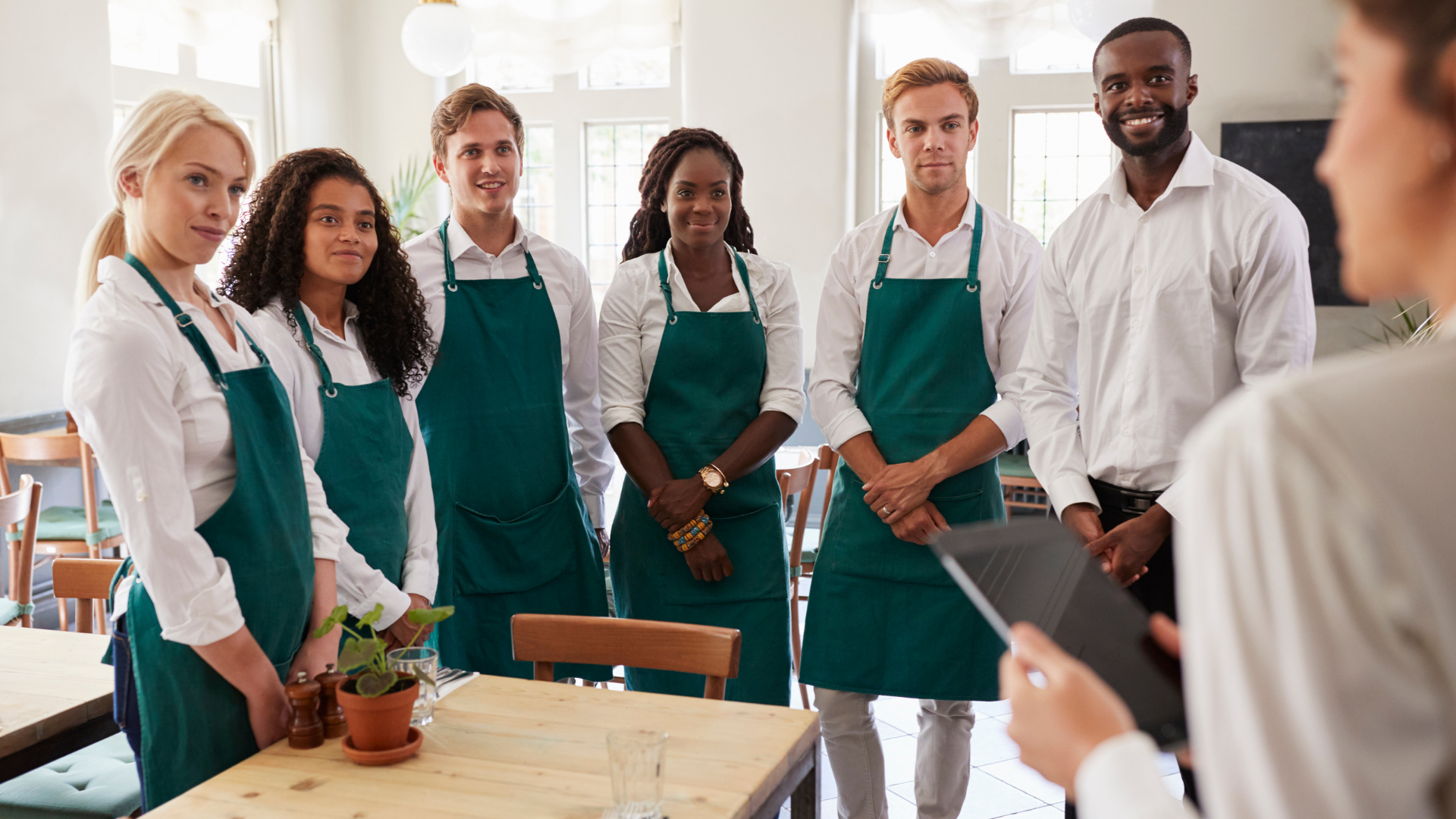
Train Your Event Staff Separately
Event service is different from standard table service. Train your event staff on:
- Pre-event setup and timeline management
- Greeting and orienting guests in a private space
- Coordinating with the kitchen on course timing
- Managing AV equipment
- Handling special requests gracefully
- Professional decorum for corporate events
According to Cvent's restaurant event research, specialized staff training is one of the most critical factors in private dining success—and one of the most commonly overlooked.
Create a Day-of Event Timeline
For every event, create a detailed timeline:
| Time | Action |
|---|---|
| T-2 hours | Space setup complete, AV tested |
| T-1 hour | Staff briefed, kitchen prepped |
| T-30 min | Welcome drinks/cocktails ready |
| Arrival | Guests greeted, drinks served |
| +30 min | First course served |
| +90 min | Main course served |
| +2.5 hours | Dessert and coffee |
| +3 hours | Check presented, space cleared |
Adjust the timeline for each event, but having a template ensures nothing is forgotten.
Post-Event Follow-Up
Within 24 hours of every event, send a thank-you email to the host. Ask for feedback, share any photos your team took, and—critically—plant the seed for the next booking:
"We'd love to host your team again for your holiday party in December. We're already booking dates—would you like to hold a date?"
This simple follow-up can convert a one-time event into an annual relationship.
Targeting Corporate Clients for Repeat Business
Corporate events are the "golden ticket" of private dining. They typically involve larger budgets, advance planning, and high potential for repeat business. A single corporate client can book your space 4–12 times per year for team lunches, client dinners, board meetings, and holiday parties.
How to Find Corporate Clients
- LinkedIn outreach: Search for executive assistants, office managers, and HR directors at companies within a mile of your restaurant. These are the people who book corporate events.
- Local business associations: Join your local chamber of commerce and attend networking events. Bring business cards that specifically mention your private dining capabilities.
- Nearby office buildings: Drop off a private dining brochure and a sample menu at the front desk of office buildings near your restaurant.
- Proactive re-engagement: In January, reach out to every corporate client from the previous year to secure their holiday party booking before your competitors do.
Corporate-Specific Offerings
Tailor your packages for corporate needs:
- Working lunch packages: Efficient, professionally presented, with AV setup for presentations
- Client entertainment packages: Premium menus with wine pairing, designed to impress
- Team celebration packages: More casual, with interactive elements like cocktail-making or chef's table experiences
- Recurring meeting packages: Discounted rates for clients who book monthly or quarterly
Measuring Performance and Improving Over Time
Like any business initiative, your private dining program should be tracked and optimized.
Key Metrics to Track
| Metric | What It Tells You |
|---|---|
| Inquiry volume | How well your marketing is working |
| Inquiry-to-booking conversion rate | How effective your sales process is |
| Average event value | Whether your pricing is optimized |
| Events per month | Overall program health |
| Revenue per event day | How efficiently you're using your space |
| Repeat booking rate | Client satisfaction and loyalty |
| Add-on attachment rate | Upselling effectiveness |
Monthly Review Cadence
Set aside 30 minutes each month to review your event metrics. Ask:
- Which event types are most profitable?
- Which days of the week are most popular?
- What's our average lead time from inquiry to booking?
- Are we losing inquiries at a particular stage?
- What feedback are we consistently receiving?
Use this data to refine your packages, adjust your pricing, and focus your marketing on the most profitable event types.
How TableSync Helps You Manage Events and Reservations
Managing private dining alongside your regular reservations can get complicated fast—especially when you're juggling multiple spaces, different package types, and a steady stream of inquiries.
TableSync is designed for independent restaurants that want to manage their entire floor—including private dining and event bookings—from one simple platform. With TableSync, you can track reservations, manage event inquiries, and keep your team aligned without the chaos of spreadsheets and sticky notes. Contact us to learn how TableSync can support your private dining program, or sign up to get started today.
FAQ: Restaurant Private Dining and Event Hosting
How much should I charge for a private dining room?
Pricing depends on your market, the size and quality of your space, and what's included. A common starting point is a minimum spend of $500–$2,000 for a room that seats 10–20 guests, or per-person packages ranging from $45–$100+ depending on the menu. Research what comparable restaurants in your area charge and price competitively while protecting your margins.
Do I need a separate room to offer private dining?
No. Many restaurants successfully offer semi-private dining using partitions, curtains, or strategic furniture arrangements. A dedicated room is ideal, but even a well-defined section of your dining room can command a premium for groups that want a more exclusive experience.
How do I handle cancellations for private events?
Always require a deposit (25–50% of the estimated total) and have a clear cancellation policy in your contract. A common policy: full deposit refund if cancelled 30+ days out, 50% refund if cancelled 15–29 days out, no refund if cancelled within 14 days. This protects you from last-minute cancellations that leave your space empty.
What's the best way to market private dining to corporate clients?
Direct outreach is most effective. Identify executive assistants, office managers, and HR directors at nearby businesses via LinkedIn or in-person networking. Offer a complimentary site visit and tasting. Follow up proactively—especially in Q4 when holiday party planning begins—and re-engage past corporate clients in January for the coming year.
How many events per month should I aim for to make private dining worthwhile?
Even 4–6 events per month can meaningfully impact your bottom line. At an average event value of $1,500, that's $6,000–$9,000 in additional monthly revenue with margins of 20–60%. As your program matures and your reputation grows, 10–15 events per month is achievable for most independent restaurants with dedicated private space.
Private dining and event hosting won't transform your restaurant overnight, but with the right pricing structure, a well-presented space, and a proactive marketing approach, it can become one of your most reliable and profitable revenue streams. Start small—pick one space, build one package, and book your first event. The momentum builds from there.
Ready to take your restaurant operations to the next level? Explore more strategies on our blog or sign up to see how TableSync can help you manage reservations and events more efficiently.
Ready to simplify your operations?
Start your 14-day free trial of TableSync — no credit card required.
Start Free Trial