How to Use Limited-Time Offers to Drive Restaurant Revenue and Create Buzz
Limited-time offers (LTOs) are one of the most powerful tools in an independent restaurant owner's playbook. Done right, they create urgency, drive foot traffic, boost average check sizes, and give your team something exciting to talk about. Done wrong, they add operational chaos and erode margins.
This guide walks you through everything you need to know -- from choosing the right concept to measuring results -- so your next LTO becomes a genuine revenue driver rather than a costly experiment.
Table of Contents
- What Is a Limited-Time Offer and Why It Works
- The Business Case: What LTOs Can Do for Your Bottom Line
- Choosing the Right LTO Concept
- Planning Your LTO: Timing, Duration, and Pricing
- Marketing Your LTO Across Every Channel
- Training Your Team for LTO Success
- Measuring LTO Performance
- Common LTO Mistakes to Avoid
- How TableSync Helps You Execute LTOs Smoothly
- FAQ
What Is a Limited-Time Offer and Why It Works
A limited-time offer is any menu item, bundle, or promotion available only for a defined period -- typically four to eight weeks. The "limited" part is the key ingredient. It triggers a psychological response known as FOMO (fear of missing out), which motivates guests to visit sooner rather than later.
Unlike a permanent menu addition, an LTO carries no long-term commitment. If it flops, you pull it. If it succeeds, you have data to justify making it permanent -- or bringing it back as an annual event that guests look forward to.
For independent restaurants, LTOs offer a competitive edge that chains struggle to match: speed. A large chain might take six months to approve and roll out a new item. You can go from idea to plate in two weeks.
The Business Case: What LTOs Can Do for Your Bottom Line
Before diving into execution, it helps to understand the financial levers LTOs pull:
Increased foot traffic. A well-promoted LTO gives lapsed customers a reason to return and gives new guests a reason to try you for the first time. Research from 7shifts shows that seasonal promotions tied to local events can meaningfully lift covers during otherwise slow periods.
Higher average check size. LTO items are often positioned as premium or "experience" offerings. When priced correctly, they lift the average ticket without requiring more covers. Bundling an LTO entree with a paired drink or dessert is a proven way to increase per-table revenue.
Smarter inventory use. Seasonal produce, surplus proteins, or ingredients you already stock can become the star of an LTO. This reduces food waste and improves your food cost percentage simultaneously.
Menu testing with real data. An LTO is the lowest-risk way to test whether a new dish belongs on your permanent menu. You get real sales data, real guest feedback, and real operational insight -- without the cost of a full menu reprint.
Buzz and social media content. A visually striking LTO gives your team something to photograph and post. According to Ion Hospitality, restaurants that introduce seasonal limited-time dishes can see a 26% increase in order volume during the promotion window.
Choosing the Right LTO Concept
The best LTO concepts share three traits: they fit your brand, they use ingredients you already have (or can source reliably), and they are visually compelling enough to photograph well.
Align With Your Brand Identity
An LTO should feel like a natural extension of your menu, not a departure from it. If you run a farm-to-table bistro, a truffle-season pasta special makes sense. A neon-colored novelty drink does not. Guests who love your restaurant love it for a reason -- your LTO should deepen that relationship, not confuse it.
Use Seasonal and Local Ingredients
Seasonality is your best friend. Ingredients at peak season are cheaper, more flavorful, and easier to source. A summer heirloom tomato salad, a fall butternut squash bisque, or a spring asparagus risotto all tell a story that resonates with guests who care about where their food comes from.
Local sourcing adds another layer of appeal. Partnering with a nearby farm or artisan producer for your LTO gives you a marketing story ("our LTO features honey from [Local Farm]") and builds community goodwill.
Tap Into Trends -- Carefully
Food trends can supercharge an LTO's appeal, but they have a short shelf life. Before chasing a trend, ask: does this fit my kitchen's capabilities? Does my guest base care about this? Can I source the key ingredient reliably for six weeks?
Good trend categories for independent restaurants in 2026 include globally inspired flavors (Korean, West African, Peruvian), plant-forward proteins, and nostalgic comfort food with a modern twist.
Use Your POS Data
Your point-of-sale system holds the answer to what your guests already love. Look at your top-selling proteins, flavor profiles, and price points. Build your LTO around what already works, then add a seasonal or creative twist. This approach dramatically reduces the risk of a flop.
Planning Your LTO: Timing, Duration, and Pricing
Build an Annual LTO Calendar
The most successful independent restaurants treat LTOs as a planned program, not a reactive scramble. Map out four to six LTO windows per year aligned with:
- Seasonal shifts (spring, summer, fall, winter menus)
- Local events (festivals, sports seasons, community milestones)
- Holidays (Valentine's Day, Mother's Day, Thanksgiving, New Year's Eve)
- Slow periods (use an LTO to drive traffic during your historically quiet weeks)
Planning six to eight weeks ahead gives you time to source ingredients, train staff, create marketing materials, and build anticipation.
How Long Should an LTO Run?
Industry consensus, supported by sources like GFS and Simplot Food, points to four to six weeks as the sweet spot. Shorter than four weeks and you may not build enough momentum. Longer than eight weeks and the urgency fades -- guests stop feeling like they need to act now.
Pricing Your LTO
Price your LTO to reflect its premium positioning. Guests expect to pay a little more for something special and seasonal. A good rule of thumb:
- Calculate your food cost for the LTO item
- Target a food cost percentage of 28-32%
- Add a small premium (10-15%) above your average entree price to signal exclusivity
Avoid deep discounting. An LTO priced below your regular menu items trains guests to wait for deals rather than visit at full price.
Marketing Your LTO Across Every Channel
An LTO without marketing is just a menu item. The promotion is what creates the buzz.
Social Media: Build Anticipation Before Launch
Start teasing your LTO one to two weeks before it goes live. A "coming soon" post with a close-up photo of a key ingredient, a behind-the-scenes video of your chef developing the dish, or a countdown post all build anticipation without giving everything away.
On launch day, post a high-quality photo or short video of the finished dish. Use relevant hashtags, tag local food bloggers, and encourage your team to share on their personal accounts.
Email and SMS: Reach Your Most Loyal Guests First
Your email list and SMS subscribers are your most valuable marketing asset. Send a dedicated announcement to this group before you post publicly -- frame it as "exclusive early access" for loyal guests. This rewards loyalty and creates a sense of insider status.
Keep the message simple: what the LTO is, why it is special, and when it ends. Include a direct link to your online reservation page or ordering platform.
In-Restaurant Promotion
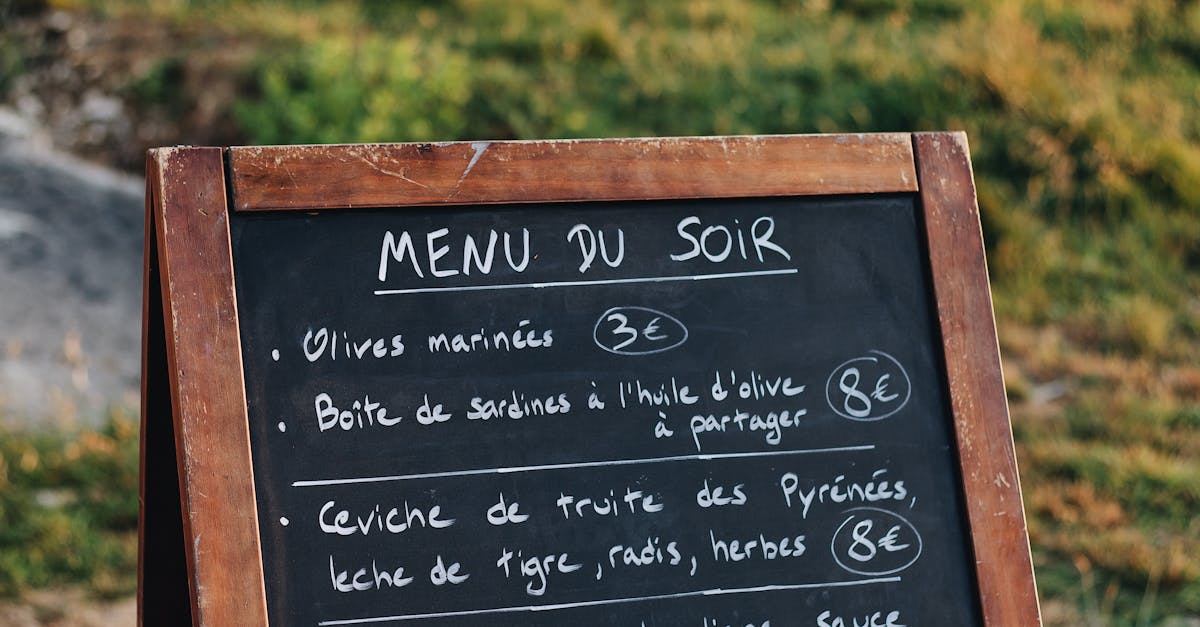
Do not underestimate the power of in-restaurant marketing. Table tents, chalkboard signs, and menu inserts all drive impulse orders from guests who are already in your dining room. Train your servers to mention the LTO proactively -- "Have you heard about our [LTO name]? It is only available for the next three weeks" -- and give them the language to describe it enticingly.
Google Business Profile
Update your Google Business Profile with a post about the LTO. Include a photo and a brief description. This surfaces in local search results and Google Maps, reaching guests who are actively looking for a place to eat right now.
Partner With Local Influencers
Invite a local food blogger or micro-influencer (5,000-50,000 followers) to try your LTO before the public launch. A genuine review from a trusted local voice can drive significant traffic. Keep it authentic -- offer a complimentary meal in exchange for an honest post, not a scripted endorsement.
For more ideas on building your restaurant's marketing presence, visit our blog or contact us to learn how TableSync can help.
Training Your Team for LTO Success
Your LTO is only as good as the team executing it. A dish that sounds great on paper but is described poorly by servers, or prepared inconsistently by the kitchen, will underperform.
Taste It Together
Before the LTO launches, have every front-of-house team member taste the dish. Staff who have eaten the item can describe it authentically and enthusiastically. Staff who have not will give vague, unconvincing descriptions.
Give Them the Words
Provide a brief "talking points" card for each LTO item. Include:
- Two to three descriptive sentences about the dish
- Key ingredients and flavor profile
- Any allergen information
- The "story" behind the item (seasonal, local sourcing, chef inspiration)
Incentivize LTO Sales
Consider a friendly competition: the server who sells the most LTO items in a week wins a small prize. This keeps energy high and gives your team a reason to proactively mention the offer.
Brief the Kitchen
Make sure your back-of-house team is equally prepared. Run a pre-service meeting on the LTO's prep steps, plating standards, and expected volume. Identify any potential bottlenecks before service begins, not during a Friday dinner rush.
Measuring LTO Performance
Every LTO is a data-gathering exercise. After it ends, analyze these metrics to inform your next one:
Sales volume. How many units did you sell per day? Per week? Did sales accelerate as word spread, or did they peak early and fade?
Revenue contribution. What percentage of total revenue did the LTO generate? Did it add incremental revenue, or did it cannibalize existing menu items?
Food cost. Did the actual food cost match your projections? Ingredient price fluctuations and waste can erode margins quickly.
Guest feedback. What did guests say? Check your review platforms, social media comments, and any direct feedback from servers. Positive sentiment is a strong signal for a future return engagement.
Operational impact. Did the LTO slow down your kitchen? Did it create prep challenges? An item that sells well but creates chaos in the kitchen may not be worth repeating.
Comparison to baseline. Compare your covers, average check, and revenue during the LTO period to the same period in the prior year (or the weeks immediately before the LTO). This isolates the LTO's true impact from seasonal trends.
Use this data to build a simple scorecard for each LTO. Over time, you will develop a clear picture of what works for your specific restaurant and guest base.
Common LTO Mistakes to Avoid
Launching too many items at once. One or two LTO items is manageable. Five or six creates kitchen confusion, inconsistent execution, and a diluted marketing message. Focus your energy on one hero item.
Ignoring food cost until after launch. Calculate your food cost before you set the price, not after. A beautiful dish that costs you 45% to produce will hurt your margins even if it sells well.
Failing to train staff. A server who says "I don't know, I haven't tried it" when asked about the LTO is a missed sales opportunity. Invest in a proper pre-launch briefing.
Running the LTO too long. Urgency is the engine of an LTO. If your "limited-time" offer runs for four months, guests stop feeling the need to act. Keep it to four to six weeks.
No post-LTO analysis. Many operators launch an LTO, watch it end, and move on without reviewing the data. This wastes the learning opportunity. Even a 30-minute debrief with your management team can yield insights that make your next LTO significantly more effective.
Choosing items that are operationally complex. An LTO that requires a new piece of equipment, a specialized technique, or an ingredient with a two-day shelf life is a recipe for kitchen stress. The best LTOs are creative but operationally simple.
How TableSync Helps You Execute LTOs Smoothly
Managing reservations and table flow during a high-demand LTO period can be challenging. When your LTO generates buzz and your dining room fills up faster than usual, having a reliable reservation and table management system makes the difference between a smooth service and a chaotic one.
TableSync helps independent restaurants manage the surge that a successful LTO can create -- tracking reservations, optimizing table turns, and giving your front-of-house team real-time visibility into seating availability. When your LTO drives a spike in demand, you want to capture every cover, not turn guests away because your floor management cannot keep up.
Sign up for TableSync to see how smarter table management can help you make the most of your next limited-time offer.
FAQ
How long should a restaurant limited-time offer run?
Most industry experts recommend four to six weeks. This window is long enough for word-of-mouth and marketing to build momentum, but short enough to maintain the urgency that drives guests to act. Avoid running LTOs longer than eight weeks -- the "limited" aspect loses its power.
How do I price a limited-time offer?
Price your LTO to reflect its premium positioning. Calculate your food cost first, target a food cost percentage of 28-32%, and price the item 10-15% above your average entree price. Avoid discounting -- LTOs should be positioned as special experiences, not bargains.
What types of limited-time offers work best for independent restaurants?
Seasonal items using local or peak-season ingredients tend to perform best for independents. They tell a compelling story, are cost-effective to source, and align naturally with your brand. Trend-driven items (globally inspired flavors, plant-forward proteins) can also work well if they fit your kitchen's capabilities and your guest base's preferences.
How do I market a limited-time offer on a small budget?
Focus on the channels you already own: your email list, SMS subscribers, social media accounts, and Google Business Profile. In-restaurant promotion (table tents, server recommendations, chalkboard signs) is free and highly effective. A single partnership with a local food blogger can generate significant reach at minimal cost.
Should I bring back a successful LTO?
Yes -- with a twist. Returning LTOs that guests loved become anticipated annual events. The key is to bring them back at the same time of year (reinforcing the seasonal story) and to make a small update or improvement each time. This keeps the item feeling fresh while leveraging the goodwill it already built.
Ready to simplify your operations?
Start your 14-day free trial of TableSync — no credit card required.
Start Free Trial